
Market notes · October 1, 2026
Sports Card Investing Starts With Collecting Discipline
How to evaluate sealed hobby boxes and cards without confusing scarcity, hype, and a good story with guaranteed returns.
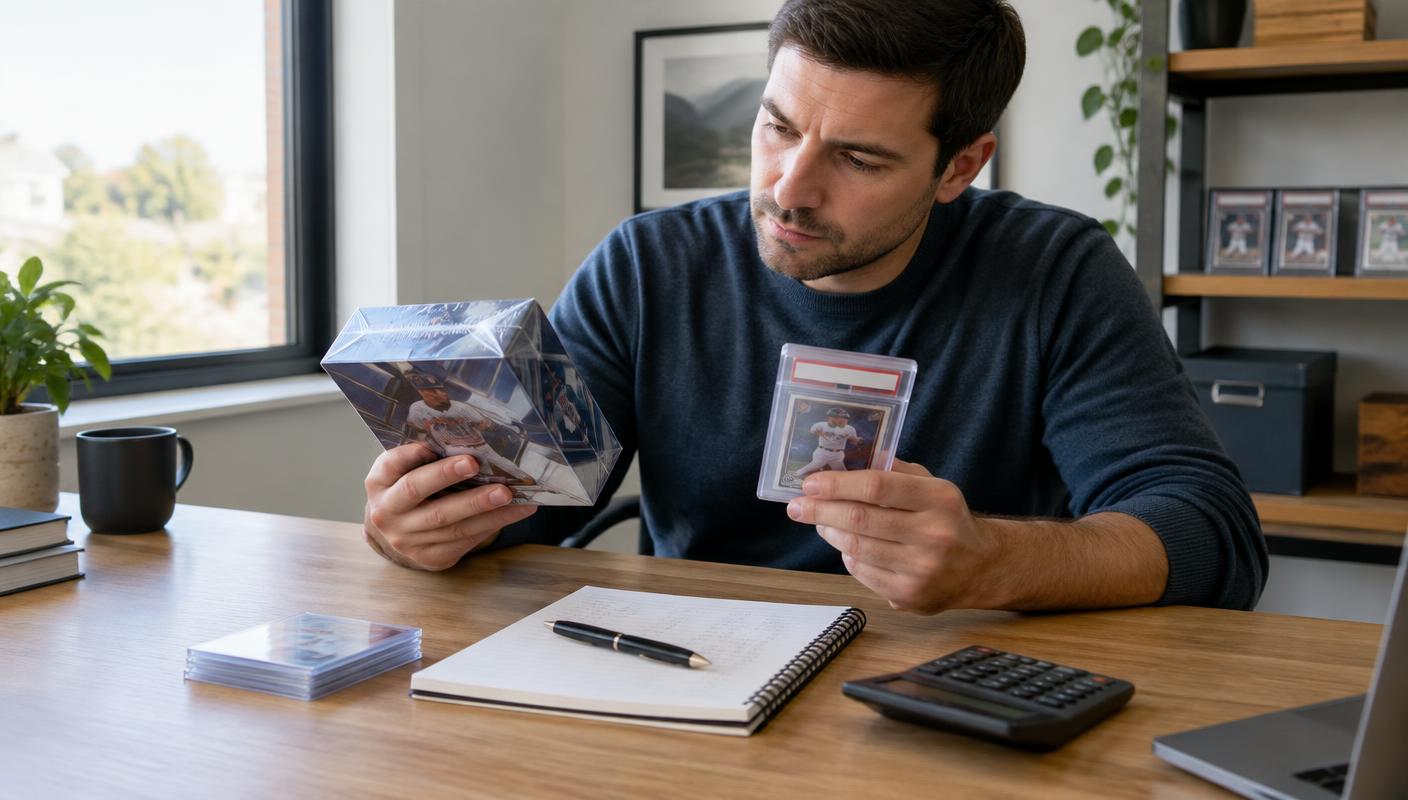
Sports cards can be collectible objects, entertainment, and speculative assets at the same time. Trouble starts when those ideas blur together. Opening a box is a purchase of an experience with uncertain contents. Holding a sealed box is a bet that future demand will outpace supply and selling costs.
Start with the downside
Before considering upside, ask what could make the box ordinary: a weak rookie class, another production wave, diluted parallels, damaged seals, or buyers moving to a newer release. Then include fees, shipping, insurance, storage, and the time required to find a buyer. A paper gain can disappear after friction.
2025 Bowman Baseball shows why the checklist matters. Prospect products can create several years of interest, but prospect outcomes are uncertain. Depth is more useful than one fashionable name.
Condition and provenance are part of the asset
For sealed boxes, clean wrap, untampered seals, and a documented purchase history matter. For singles, authenticity, surface quality, centering, and population data matter. Store cards away from sunlight, humidity, and large temperature changes; use the right sleeve and holder rather than treating protection as an afterthought.
A disciplined collector sets a budget, records cost basis, avoids borrowing to buy cards, and accepts that many products will not beat broad financial markets. Buy what you can enjoy owning if the price never moves.
Collectibles are volatile and illiquid. This article is educational and is not financial advice or a promise of returns.